Associate II
May 2, 2024
Question

Calculate x,y,z coordinates of each points of the VL53L5CX

  • May 2, 2024
  • 2 replies
  • 1860 views

Hello,
I am trying to calculate the x,y,z coordinates of each points of the VL53L5CX sensor to determine the angle error between a surface and the plan of the sensor.

I have two problem with my system :
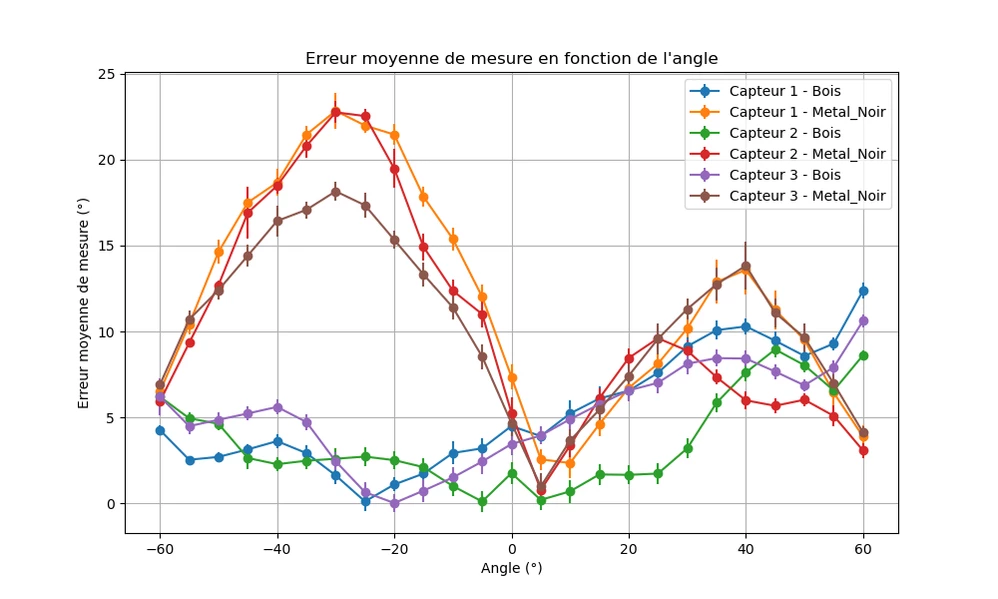
- the resulted error is not symmetrical with one rotation side or with the other,
- and the resulted error is very depending on the material I chose.
Here is a graphic of the mean angle error with 2 surfaces (wood and black metal) repeated with 3 differents VL53L5CX (I took 50 measures each 5° degrees).
ErreurMoyenne_Angle.png

So I am wondering if my calculation of the coordinates x,y,z of each points of the VL53L5CX is right, and if I didn't forget some details. I'm almost sure that the plan calculation is right.

So here is the way I calculated the coordinates:
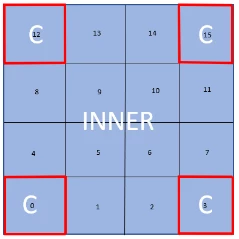
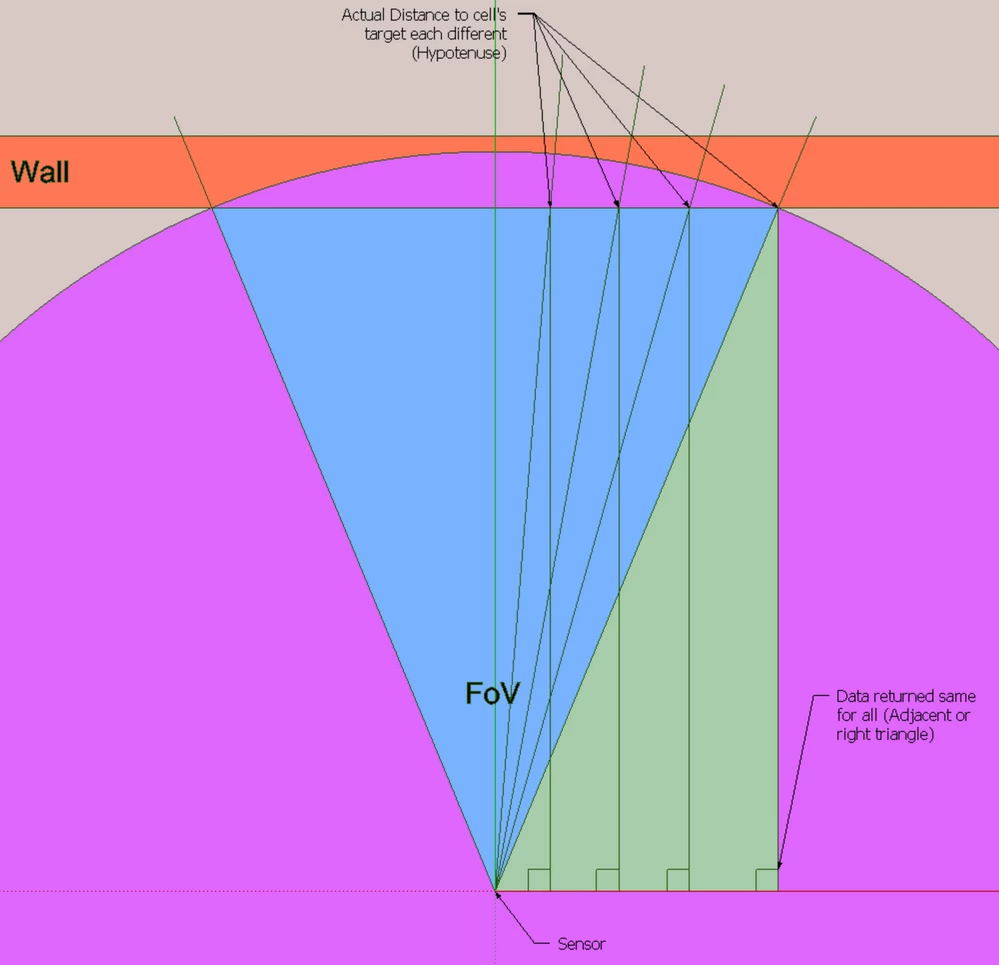
The VL53LCX give us 16points, and the returned value of each distance is the adjacent side of the FoV as said in this page of the forum : https://community.st.com/t5/imaging-sensors/vl53l5cx-distances-don-t-match-theory-what-am-i-missing/td-p/82657.
Organisation_VL53L5CX.pngDistance_retournee_VL53L5CX.png


We know that HFoV = 45° and we assume that MATRIX_LENGTH = 4 (for the following calculation).
To ease the calculation we convert the 16 points in i,j columns and raws.
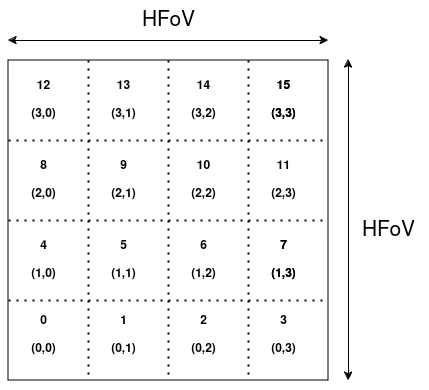
VL53L5CX_matrice(1).png

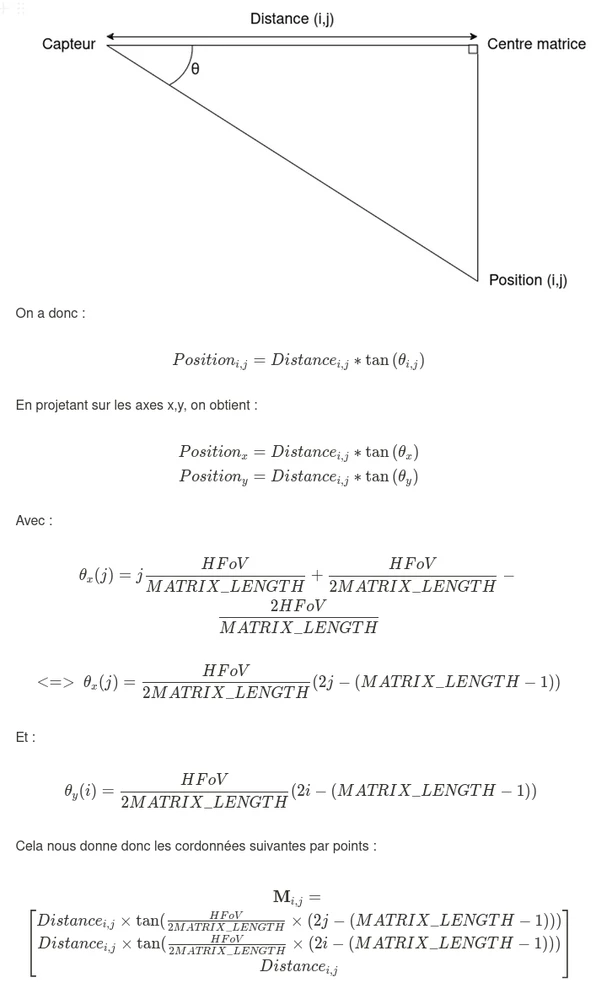
The calculs is detailed here:

Capture d’écran du 2024-05-02 10-59-38.png

Do you agree with this coordinates calculation, or did I miss something ?

Thank you !

Clément.

This topic has been closed for replies.

2 replies

John E KVAM
ST Employee
May 2, 2024

I'm a bit rushed this morning, so I did not fully understand your data. Besides my French is awful, which is pretty funny considering where I work. But I have a guess I'd like to share with you.

If you point that sensor at a flat wall exactly perpendicular, you will get the same distance in all the zones. It's because we have done a radial to perpendicular calculation to the data.

Could that be throwing you off?

As to the materials...

If you use something with a matte finish, the light will reflect in all directions. If you use a specular (mirror) finish target, the light will bounce away and depending on the angle will not return. 

Please validate your targets by checking to see that the Number_of_Targets is at least 1. Then check the RangeStatus to verify that the target is valid. An invalid target can really throw off your results.

- john


CPoissonAuthor
Associate II
May 6, 2024

Hi !
I guess you are right about the specular targets : when I ma using a wood surface I have almost all the number of targets at 1, but with a metalic bright surface I don't.

So just to confirm, I think that the coordinates calculation is good, but it's important to filter the points with 0 number of targets detected.

John E KVAM
ST Employee
May 6, 2024

Before you decide it's a valid target, check that the number of targets is at least 1 and also verify that the RangeStatus is 5 (perfect) 6 (first target after boot) or 9 (merged pulse, meaning two targets near each other in distance.)

You also might consider 12 as valid - it's a target at the same distance as a neighbor, but with a signal strength much lower. It' might be blur, but maybe you know something about your environment that can help you decide.

- john